Classroom Of Hope
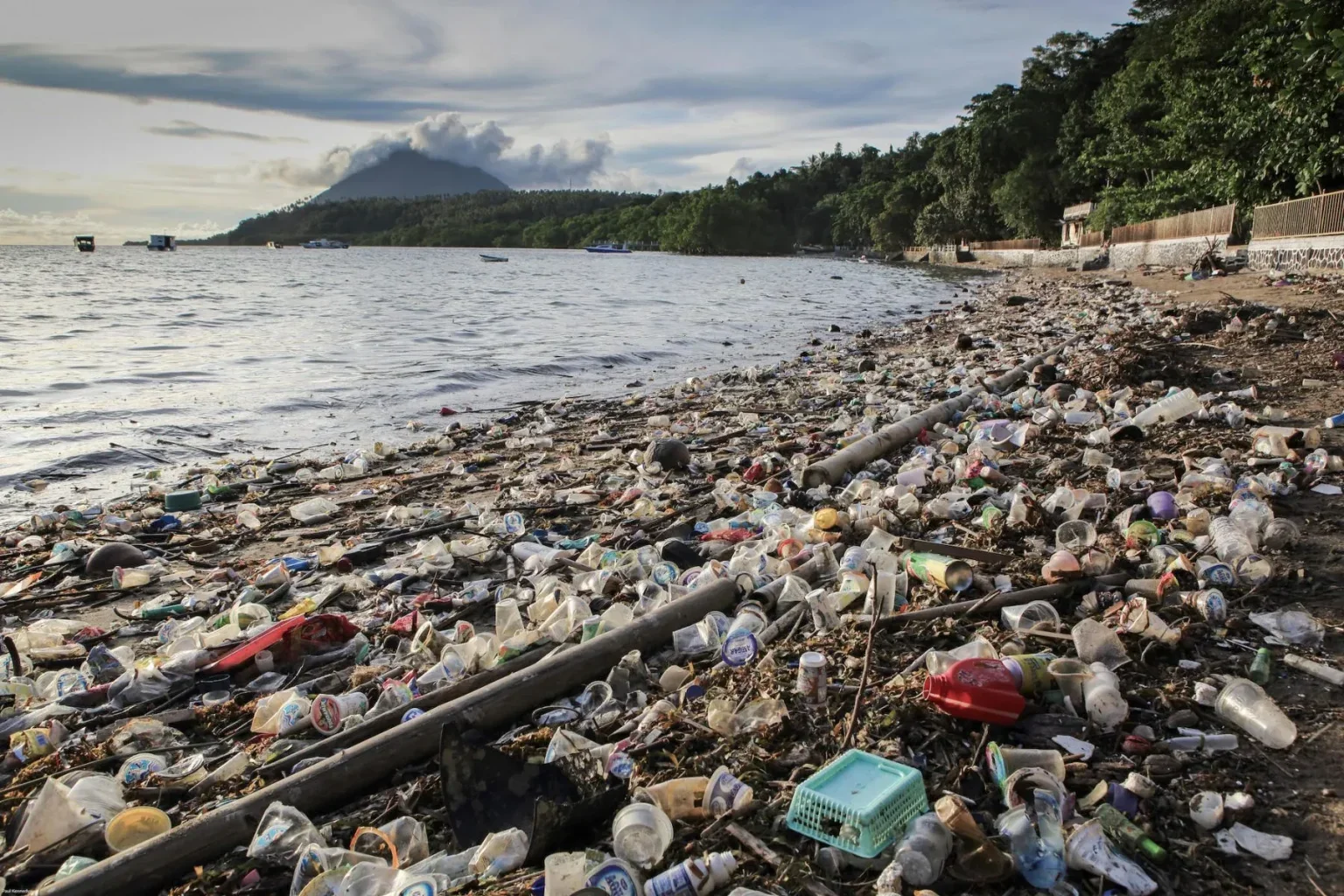
Plastic pollution is one of the most significant environmental challenges we face today. Each year, an estimated 19–23 million tonnes of plastic waste leak into our rivers, lakes, and oceans. In many countries, this problem is largely hidden from everyday life, as waste management systems collect household rubbish and transport it to landfill or, ideally, recycling facilities.
In Indonesia, however, these systems are often unavailable to everyday households. As a result, plastic pollution is highly visible throughout the environment. After heavy rainfall, plastic waste is washed from streets into rivers and eventually carried out to sea. Classroom of Hope is putting this plastic to use, tackling two issues with one solution.
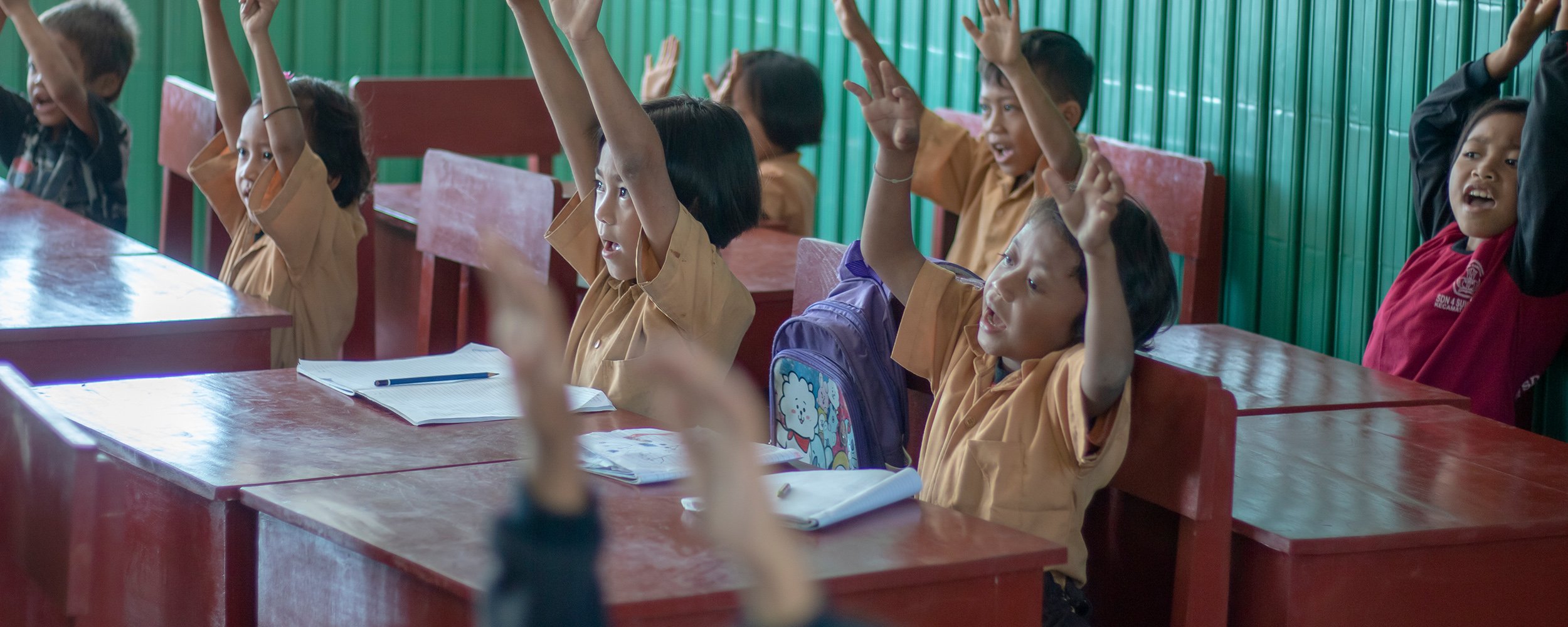
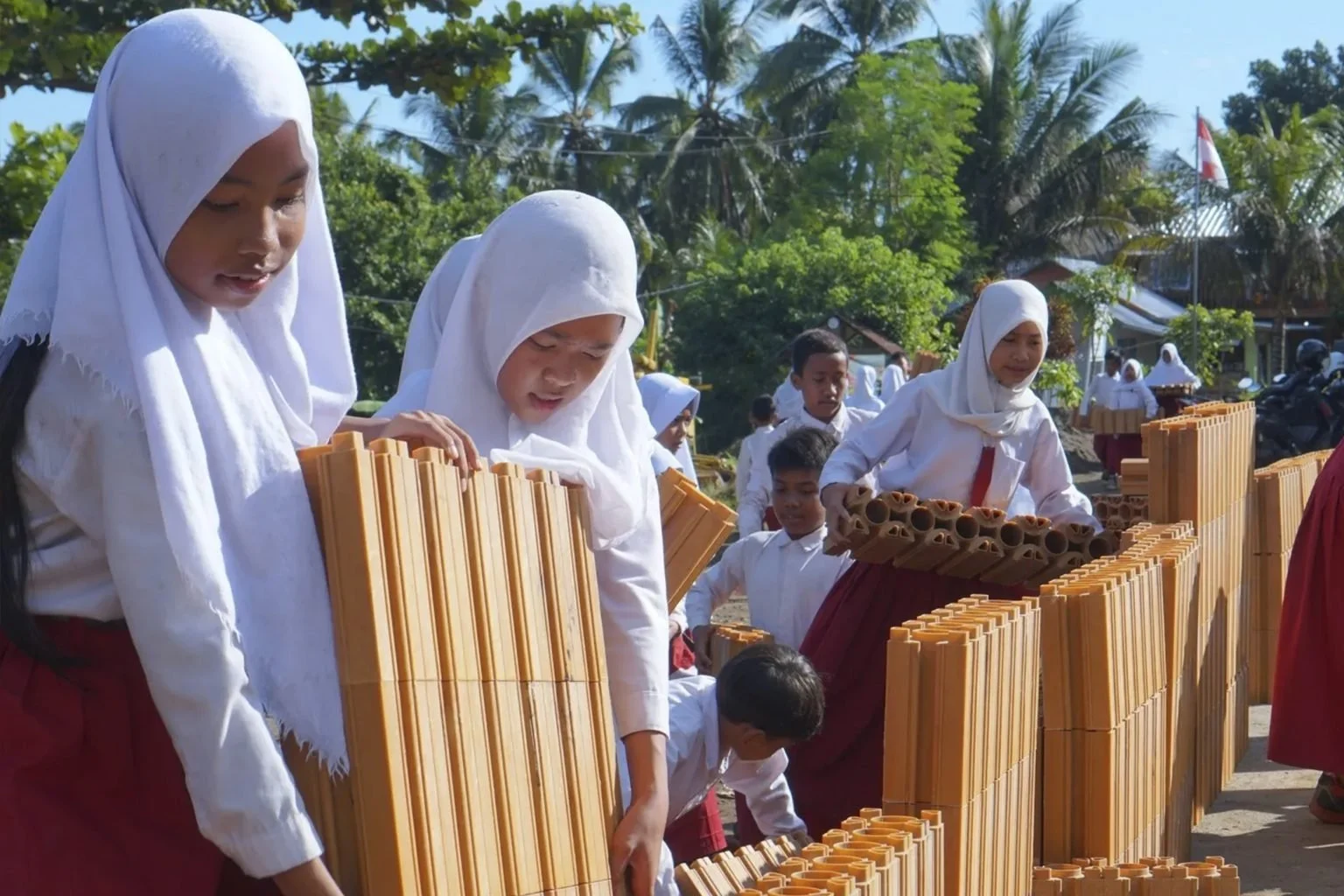
Since 2012, Classroom of Hope has been dedicated to giving children access to quality education and safe learning spaces. After the devastating 2018 earthquakes in Lombok, Indonesia, which destroyed over 400 schools, they stepped in to help rebuild. Using recycled materials, they transform plastic waste into earthquake-resistant classrooms that provide students with safe learning environments to grow and thrive. To date, in Lombok, they have constructed 44 Block Schools with 163 classrooms, recycled over 230 tonnes of plastic, and supported nearly 8,000 students.
-
![]()
From Plastic Pollution
-
![]()
To Earthquake Proof Schools
Classroom of Hope programs go beyond building schools. Developed through extensive community consultations, their community enrichment programs address local priorities such as waste management, child protection, early marriage prevention, and English skills. These programs engage teachers, parents, and students, strengthen local resources, and are designed for long-term impact. By working closely with the community and local government, COH builds a foundation for sustainable change, ensuring that the benefits of their initiatives continue to support children and families for years to come.