
On the Front Lines of Plastic Pollution – Report by Lydia
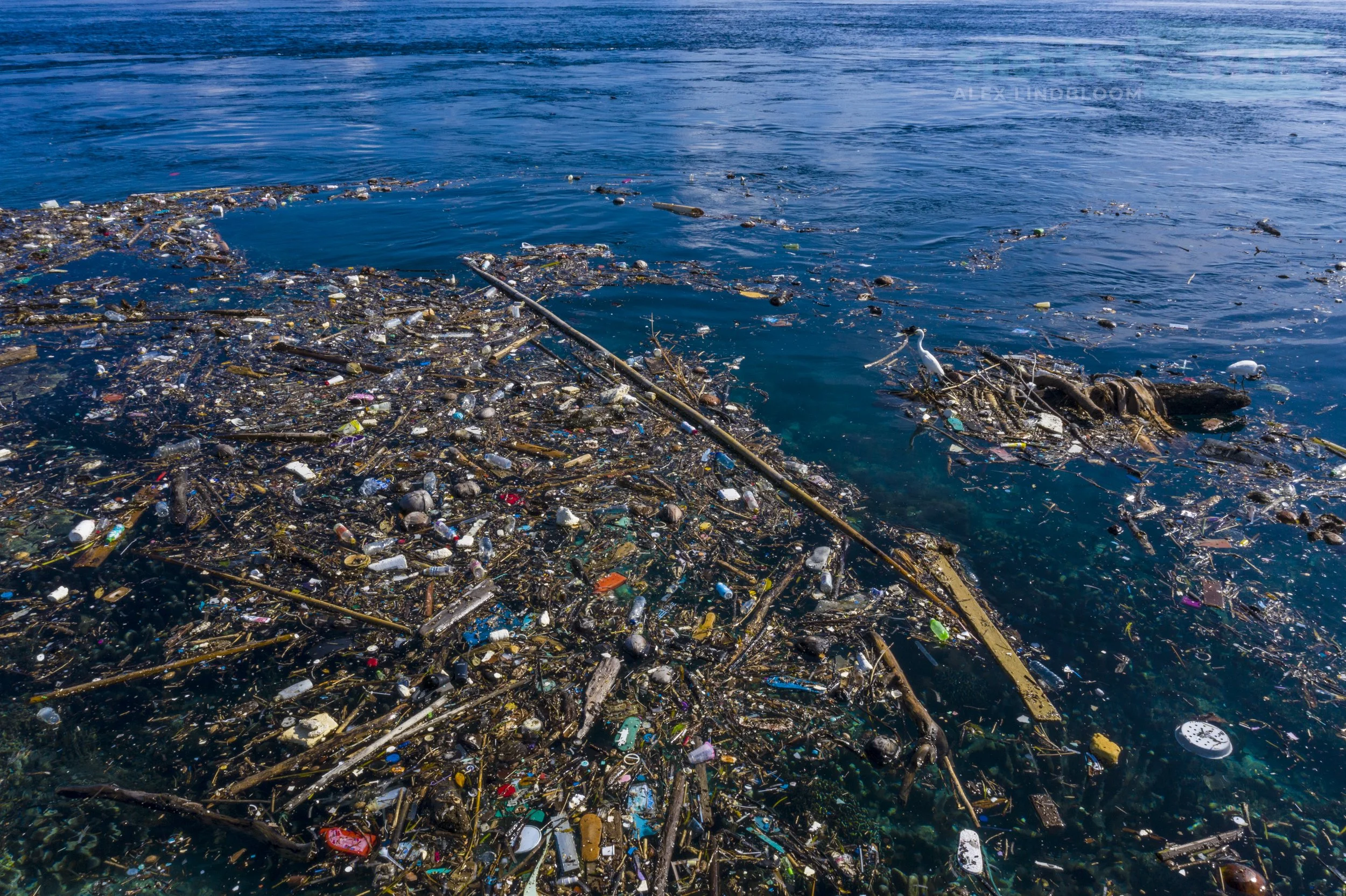
Its been nearly a century since plastic became commonplace in our lives. And over the years it has slowly made its way into every corner of the planet and when I say every corner, I mean it. Studies have found plastic in human placentas as well as in most food we consume. Plastic litter can be found as high as Mount Everest and as deep as the Mariana Trench. Like many revolutionary inventions, plastic reshaped the world in ways we could never have imagined, and not all for the better. But now that the plastic cat is out of the bag it isn’t going back in without a fight!
The average single use plastic bag is utilized for 10 to 20 minutes, the time it takes us to get our shopping from the store to our homes and the bag to end up in the bin. From the bin, that bag will go to landfill where it will take over 1000 years to break down. This scenario is based in a country fortunate enough to have waste management systems in place. We toss our plastic bags into the general waste bin. Once a week, we wheel the bin out to the curb, and by morning it’s empty. As if by magic, the rubbish disappears, forgotten about, as the cycle quietly repeats itself.
But imagine if that system didn’t exist. How long would it take before our sidewalks, homes, forests, and rivers were overwhelmed by the waste we produce every day? This is the reality for many countries, where the rise of plastic happened so rapidly that no infrastructure was ever built to manage it.
Meet the No Trash Triangle Initiative
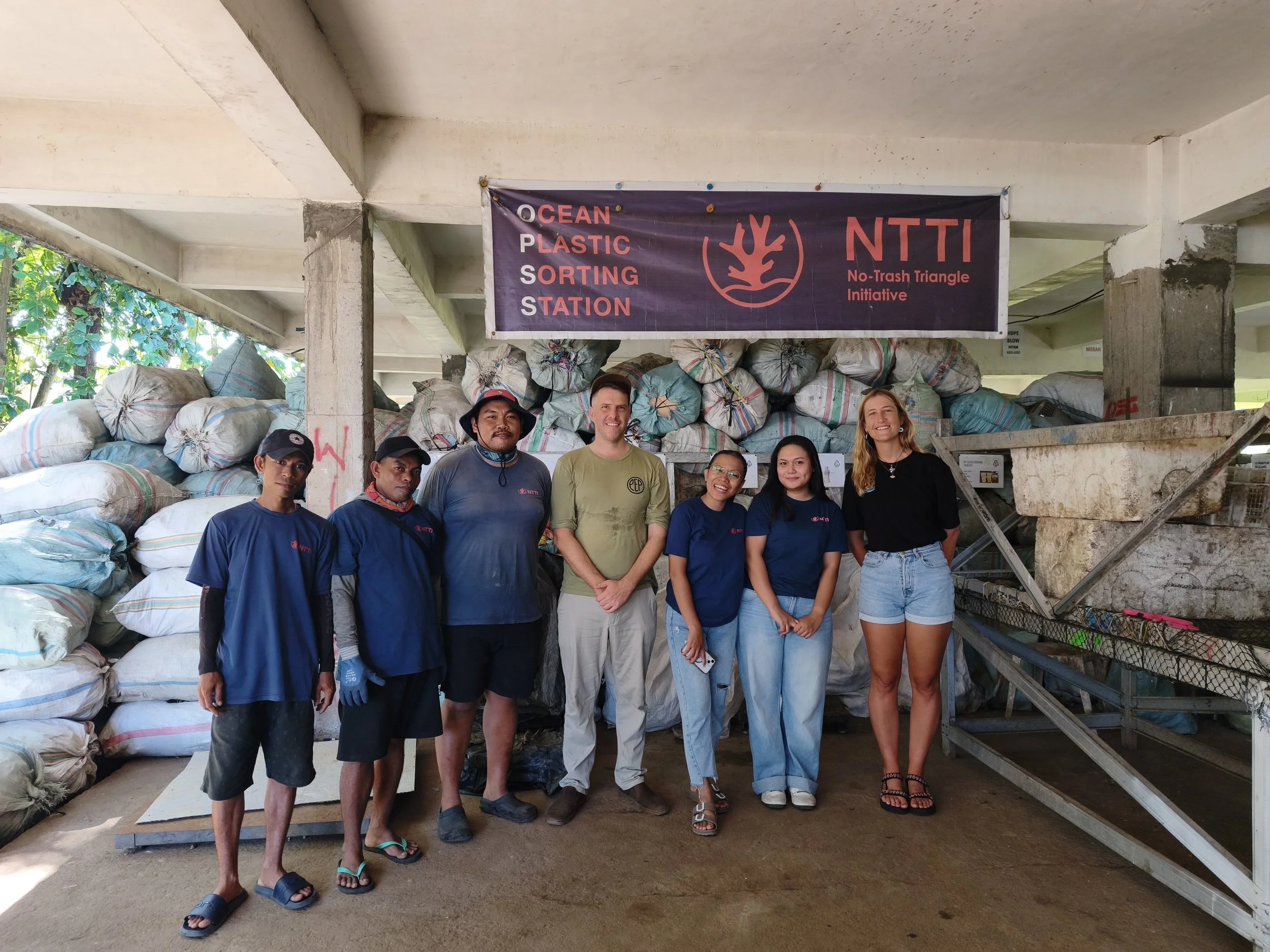
This past week, I had the pleasure of meeting some of the team behind the No Trash Triangle Initiative (NTTI) in North Sulawesi, people who are truly on the front lines of the plastic crisis. Since 2017, NTTI has been working to create practical, long-term solutions to reduce and remove plastic waste from their local environment.
What makes their work so impressive is their deep understanding of just how complex their challenge is, yet rather than shying away from it, they’re tackling it from all angles, and achieving remarkable results.
Waste management
On my trip I visited Bangka Island, off the coast of Manado, in North Sulawesi, where in Coral Eye Resort, once a marine biology outpost, the idea for NTTI first came to fruition. Next to the resort is one of NTTI’s sorting stations. Here their employees sort waste collected from Bangka and surrounding remote islands who’s communities would otherwise have no choice but to litter or burn their plastic. This is no easy achievement, with small island logistics being notoriously complex, yet NTTI are on the mission!
Across the channel from Bangka island lies Manado city, home to half a million people. Here, trash is a huge issue. The city’s landfill, a mountain of never ending rubbish is bordered by a river. When it rains, the waste washes into the river, where it will inevitably flow into the ocean, unless NTTI intervenes. Since 2024, they have set up 200 meters of river barriers in the largest rivers of the city, literally barricading the flow of plastic. Then, their incredible team, walks in to the river and one piece at a time, removes the plastic. In 2025 alone, this initiative stopped 100 tonnes of plastic reaching the ocean.
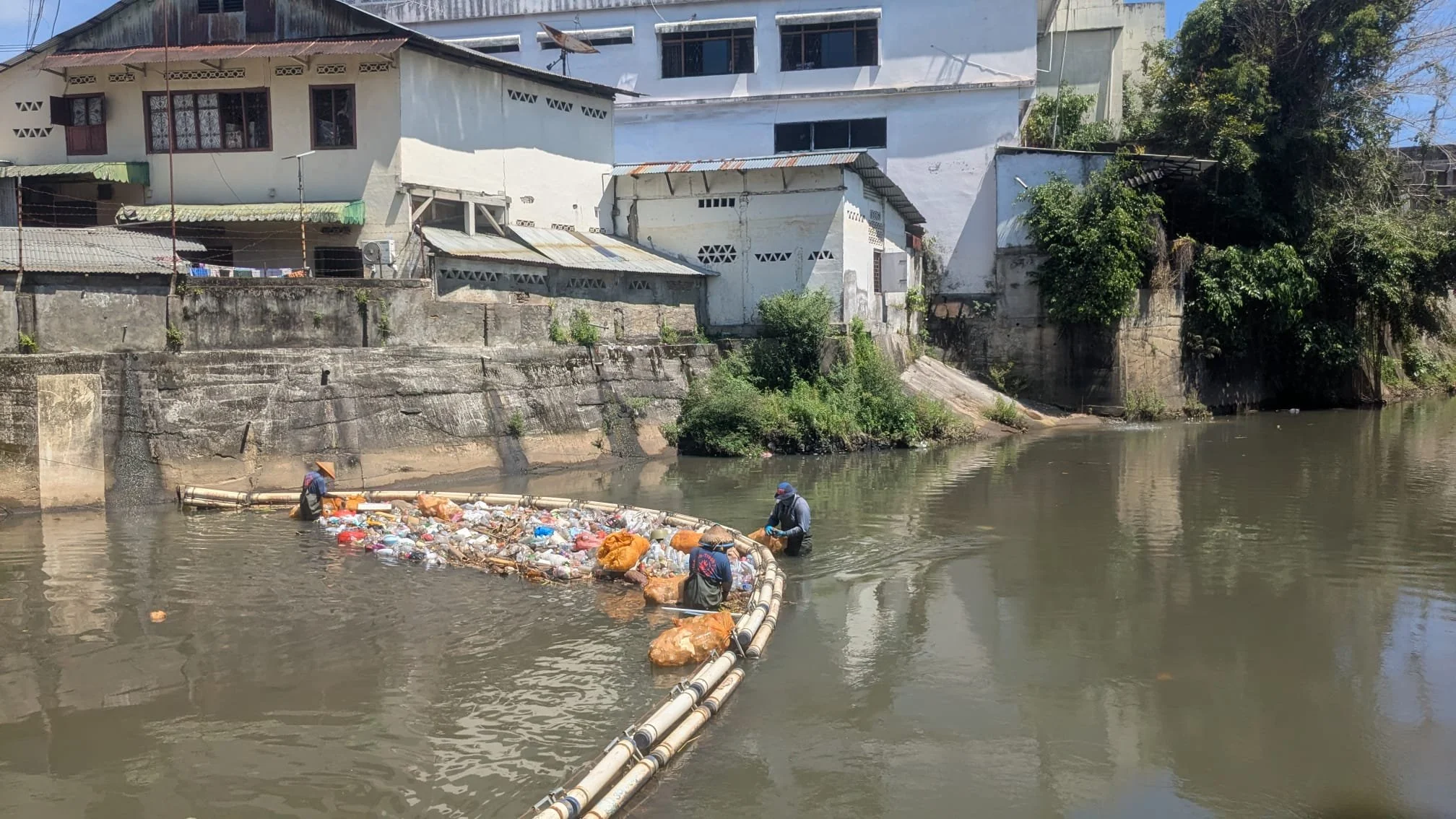
The NTTI team, doing their daily rounds, clearing plastic caught in the river barriers.
Once at their sorting station, the plastic is categorized into recyclable and non recyclable plastics and instead of ending up back in Manado landfill, it is sent to a recycling centre in Java. All plastic is traced to assure it is being shipped and processed correctly.
School On The Beach
In my eyes, one of NTTI’s most impressive achievements is their work with local schools. They have set up a program called ‘School on the Beach’, working with 5 schools so far and planning to expand. The ethos of this program is to take children out of the classroom and into nature, seeing first hand its beauty and fragility. As part of the program, spanning over a few months, the kids propagate, raise and replant a mangrove seed each. They also spend time on the beach, swimming and snorkeling, learning about corals, marine life and of course the affects of plastic.
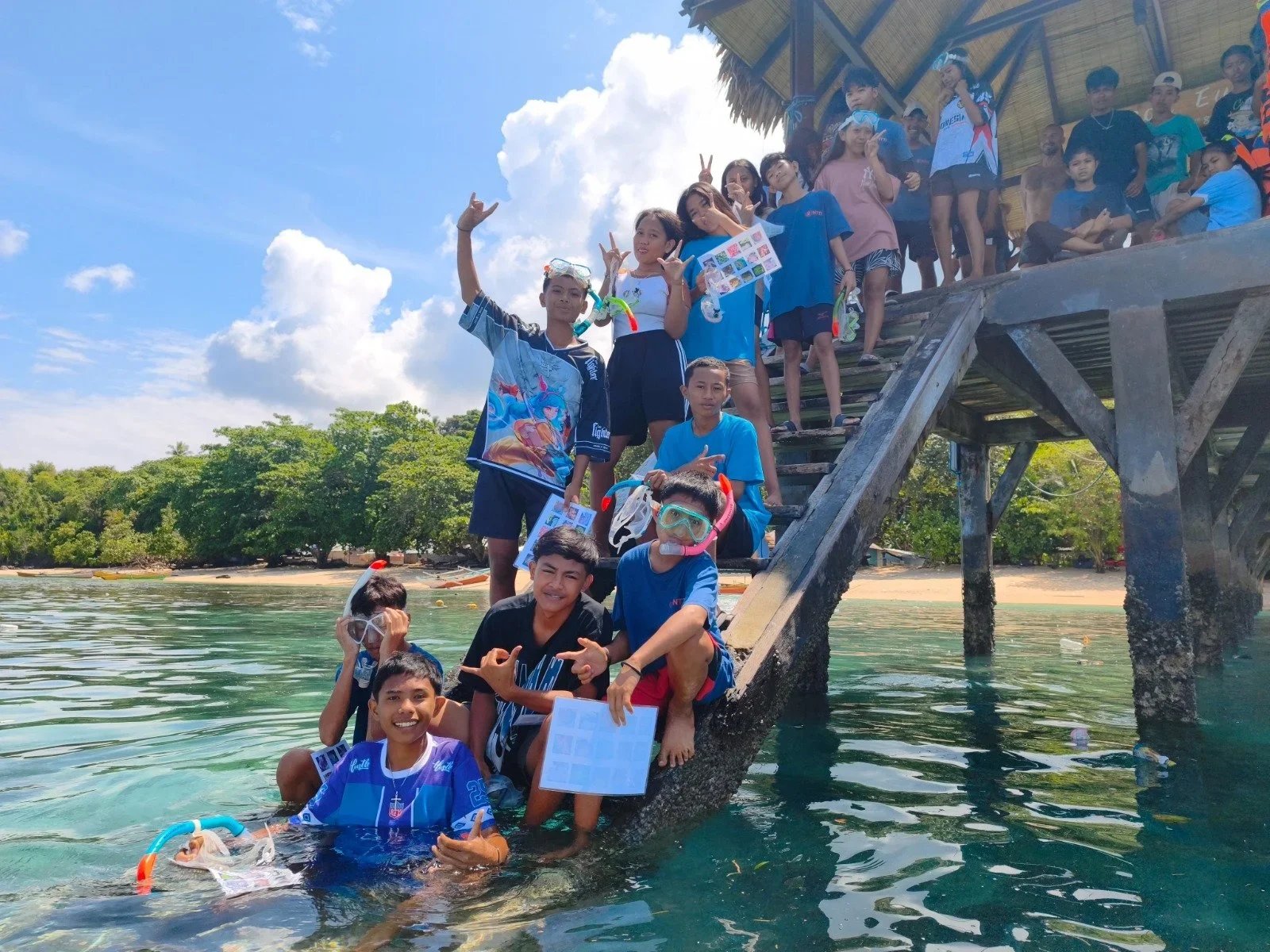
Bangka School kids, on the Coral Eye resort jetty, during a ‘School on the Beach’ class.
On Bangka island, I also visited the school, where the headmaster told me how the students have taken matters in to their own hands. Inspired by school on the beach, they have built their own sorting station, where they sort village waste, ready to be transported off the island. The kids genuinely see the value of reducing waste. Ishella, the NTTI general secretary, who very kindly took the time to show me around their facilities, proudly told me ‘the kids called me up one day and asked if they could host their own beach clean’. Seeing the children change their attitude towards plastic is inspiring older generations in the village to do the same, creating long lasting social change.
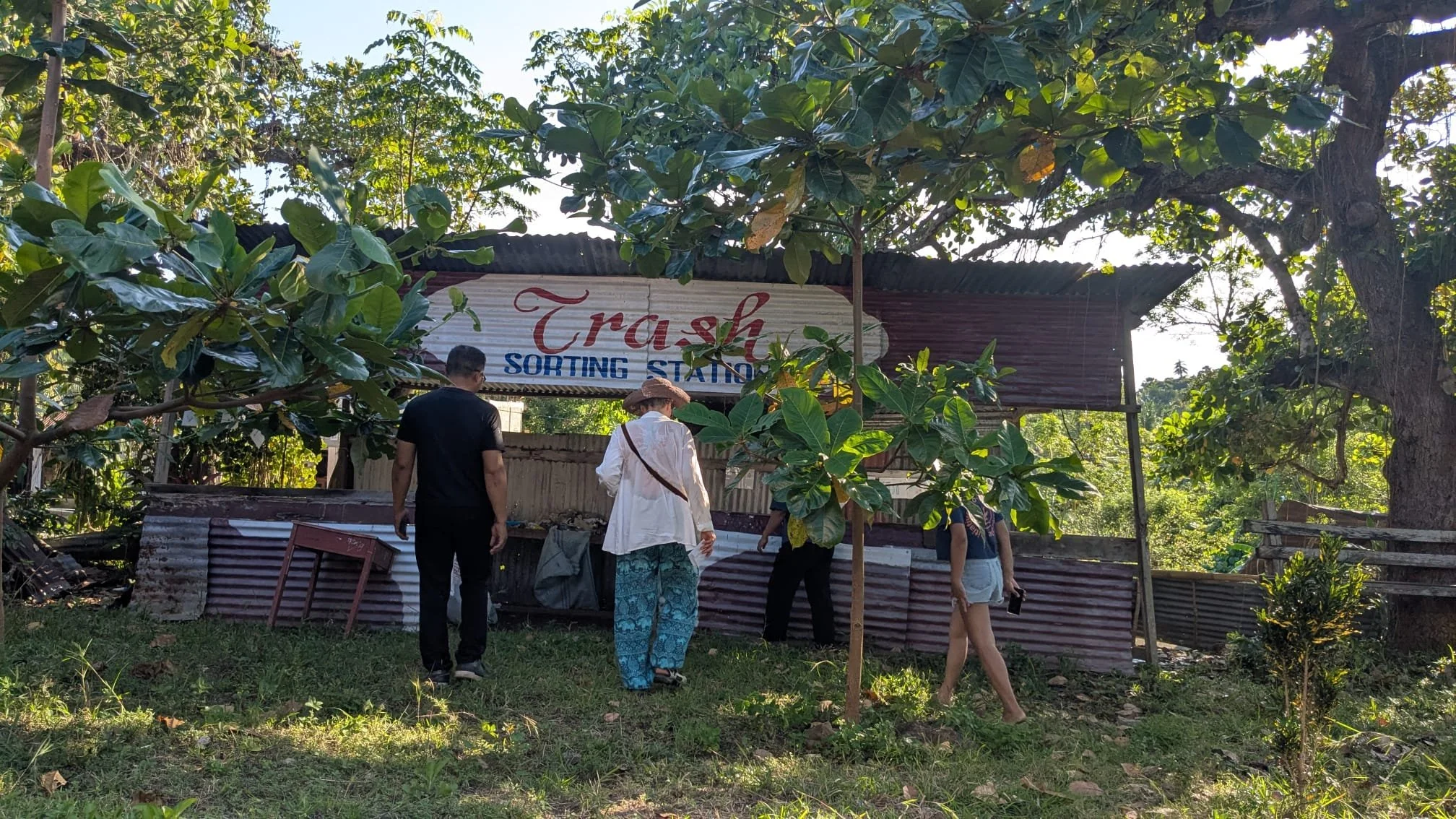
The children’s trash sorting station, an extra curriculum activity, that has sparked change amongst the community
Corporate Responsibility
With such an immense task at hand, NTTI welcomes all the support it can get. To strengthen its impact, the organization partners with numerous resorts throughout the region. NTTI trains resort staff to properly separate their waste into designated bags provided by the team, before coordinating the logistics to ensure it reaches the appropriate recycling and processing facilities. As major contributors to local waste production, the involvement and commitment of these businesses is essential.
Small Actions, Lasting Change
My time with NTTI was incredibly inspirational, the plastic problem can often seem overwhelming which can result in apathy and inaction. However, we can all draw inspiration from the NTTI team and their ‘can do’ attitude!
Although the effects of plastic pollution may be more visible in countries with limited waste management infrastructure, the issue itself is undeniably global. Every day plastic piles up in our landfills, leaches into the environment, pollutes nature, kills wildlife and slowly poisons us. Plastic production shows no sign of slowing, yet we all have the power to reduce plastic demand by making choices that favor sustainability over conveniency. Over time, these conscious choices become second nature, gradually shaping habits that look after us and our planet.
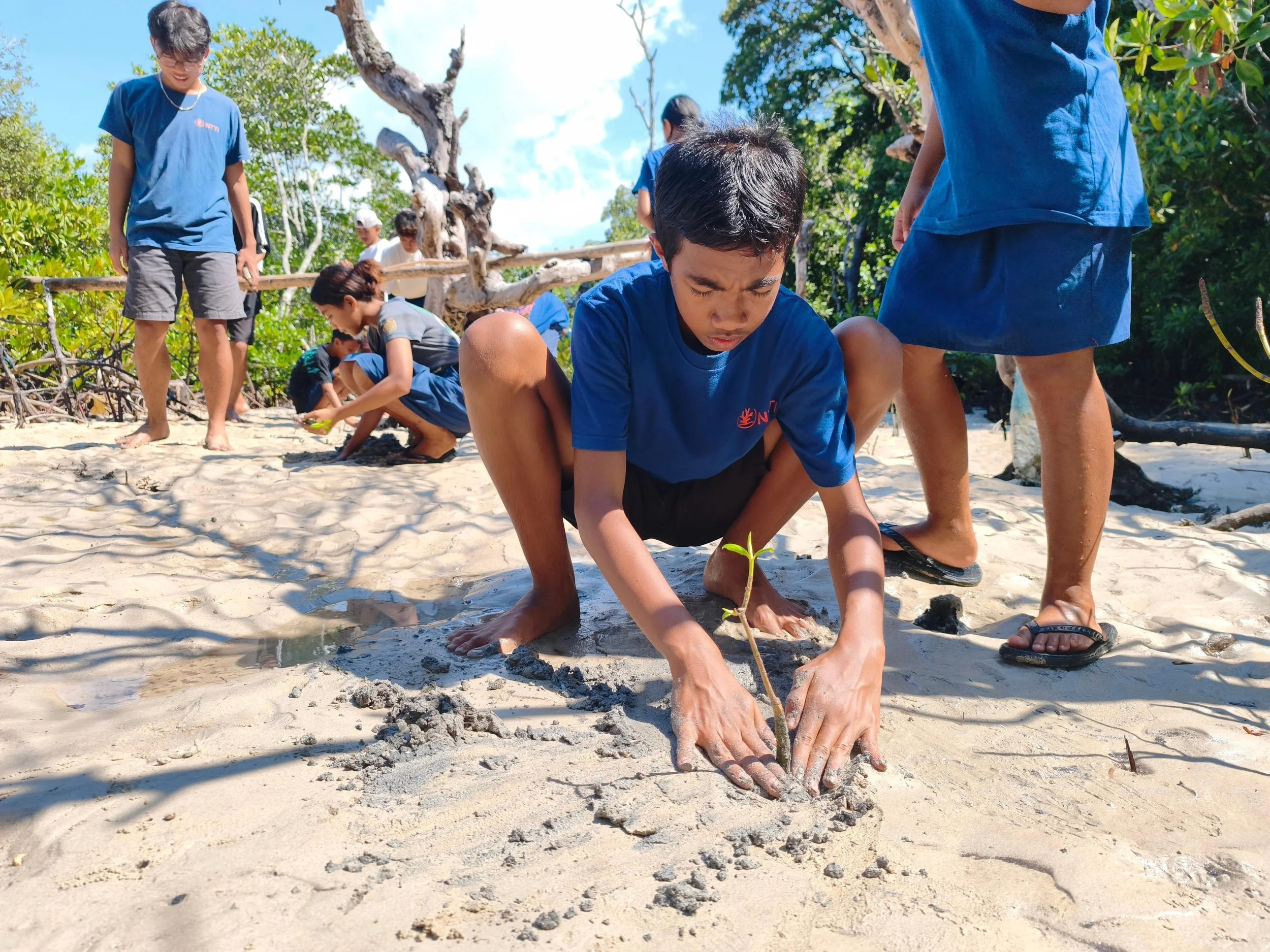
Thank you NTTI, I am inspired!
To learn more and join the movement, visit the No Trash Triangle website.
